What We Teach
Our training focuses on practical skills that administrative staff use daily in their professional roles.
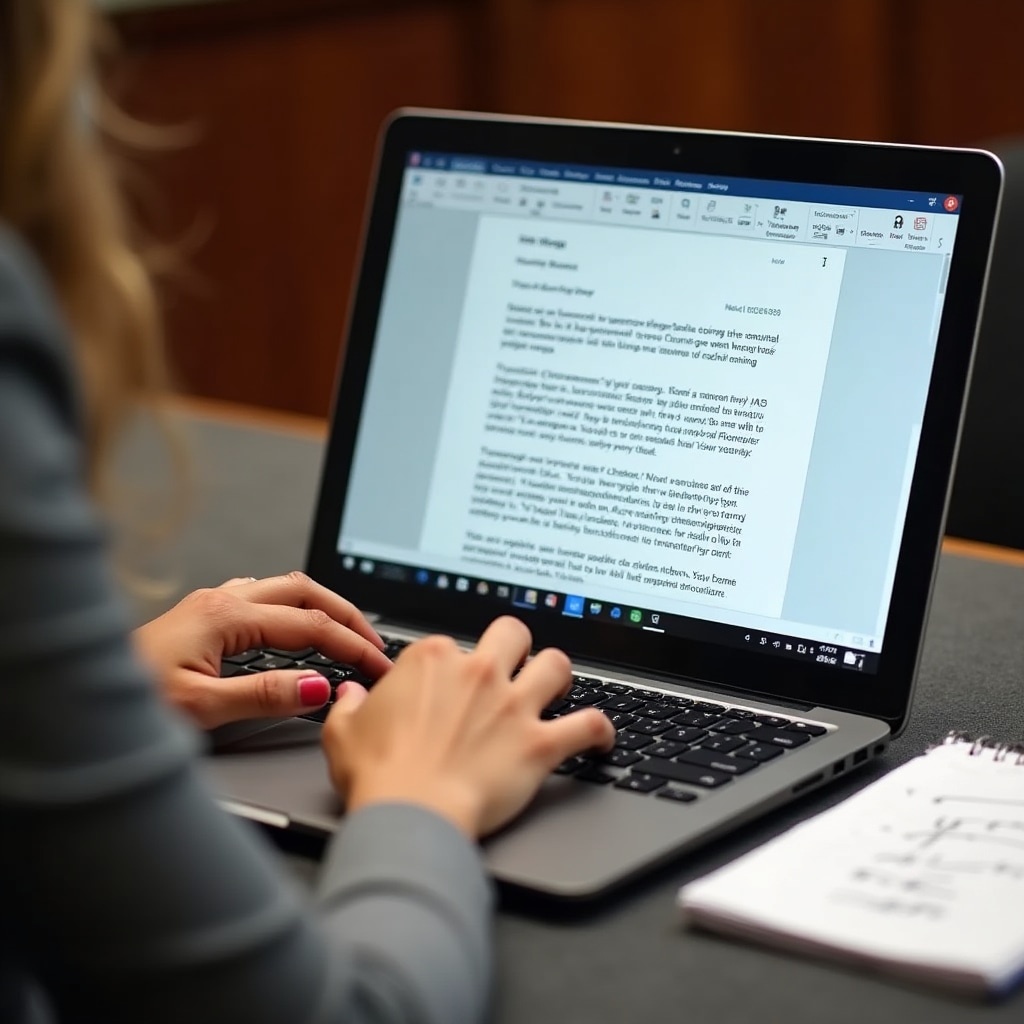
Email Etiquette and Professional Digital Communication
Email remains the primary business communication tool. Our training covers appropriate subject line construction, professional greeting and closing conventions, tone management for different audiences, and proper use of cc and bcc fields.
Participants learn to structure emails for clarity, manage response timing expectations, and handle sensitive communications appropriately. We address common email pitfalls including overuse of reply-all, unclear action items, and inappropriate forwarding practices.

Report Structuring and Information Organization
Reports communicate important business information to decision-makers. Training focuses on creating logical document structures, writing effective executive summaries, organizing supporting data, and using headings and subheadings to guide readers.
We teach participants to identify key information, present findings clearly, and make appropriate recommendations. Skills include data visualization selection, appendix organization, and adapting report formats to different organizational contexts.

Minutes Documentation and Meeting Records
Accurate meeting documentation creates accountability and provides reference for future decisions. Our training addresses what information to capture, how to document decisions and action items, and techniques for maintaining objectivity in recording discussions.
Participants develop skills in real-time note-taking, identifying essential versus peripheral information, formatting minutes for easy reference, and distributing records appropriately. We cover both formal board meeting minutes and informal team meeting notes.

Internal Communication Clarity
Clear internal communication prevents misunderstandings and supports efficient operations. Training covers writing effective memos, announcements, and policy communications. Participants learn to convey complex information simply and ensure messages reach appropriate audiences.
We address tone considerations for different organizational levels, techniques for explaining procedural changes, and methods for encouraging feedback and questions. Skills include writing for diverse reading levels and cultural backgrounds within organizations.